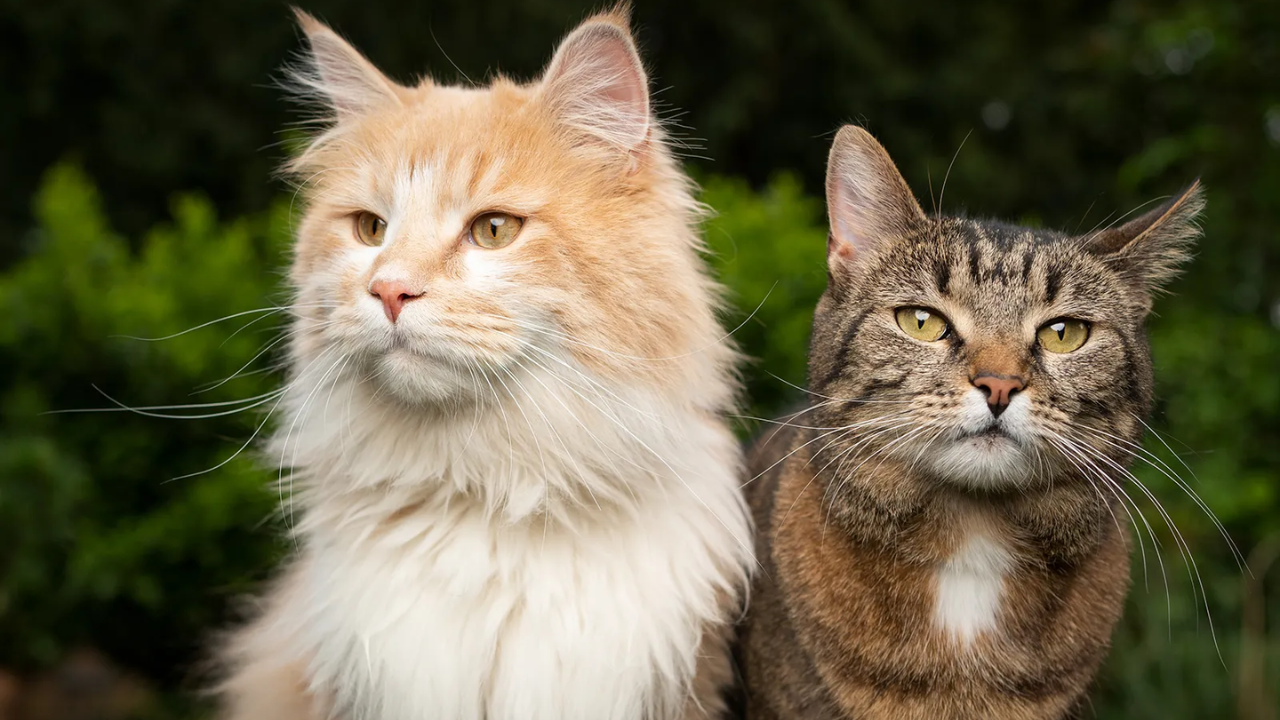
Cat Statistics 2025: There are black cats, alley cats, calico cats, and scaredy cats, but no matter which kind you’re talking about, they’re mesmerizing! The way they move… the way they purr…when they “make biscuits” or brush against you, they do it with grace.
Their sleek bodies and regal faces show us how miraculous they are, so let’s talk about what makes them tick. What motivates them? Are they really finicky? Can cats be loyal? You’ll learn the answers to these questions within, and so much more, as we dive into the World of cats.
Top 10 Most Heartening Stats
- Over 400 Millions Cats live Worldwide.
- Around 73 Million Cats in the US Are Feral
- 3.2 Million Cats Enter US Animal Shelters Yearly
- Statistics Show That Most Adopted Cats are Kittens
- Roughly 10% of Americans Feed Community Cats
- Decline of 27 Mammal Species Due to Cats
- Cats Can Jump 5–6 Times Their Average Height
- The Cat’s Gestation Period Is Around 63–67 Days
- The Oldest Cat Lived for 38 Years and 3 Days
- In 2020, Owners Spent an Average of $228 on Cat Food and $58 on Treats
Interesting Facts About Cats
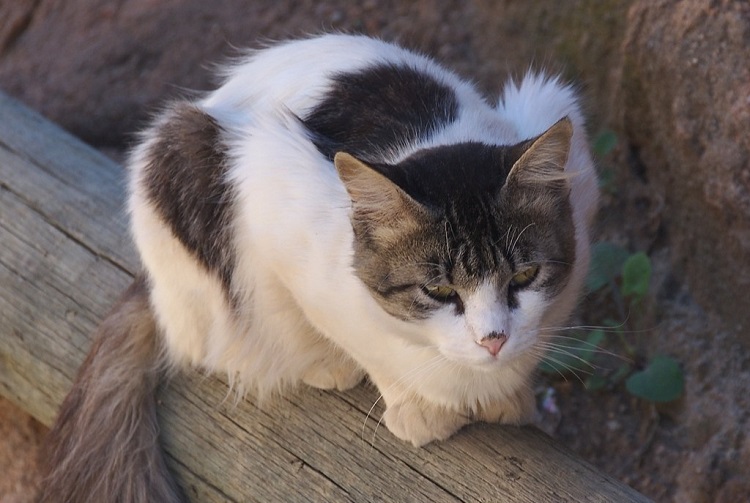
It was only less than 100 years ago that cats lived indoors in the US, so it makes sense all cats are biologically equipped to live outdoors. Logically, since dogs descended from wolves thousands of years ago, it’s easy to see why that fact really wouldn’t apply to them.
The cat species (Felis catus) includes both domesticated cats and feral/wild/free-roaming cats.
Facts About Anatomy and Physiology
Cats have more bones than humans – around 250 compared to a human’s 206 – but fewer bones than dogs which have around 320. A cat’s vertebrae are extremely flexible. They should be since they have strong elastic, cushioning disks between them. This flexibility is one reason why their acrobats are so graceful.
Health and Wellness
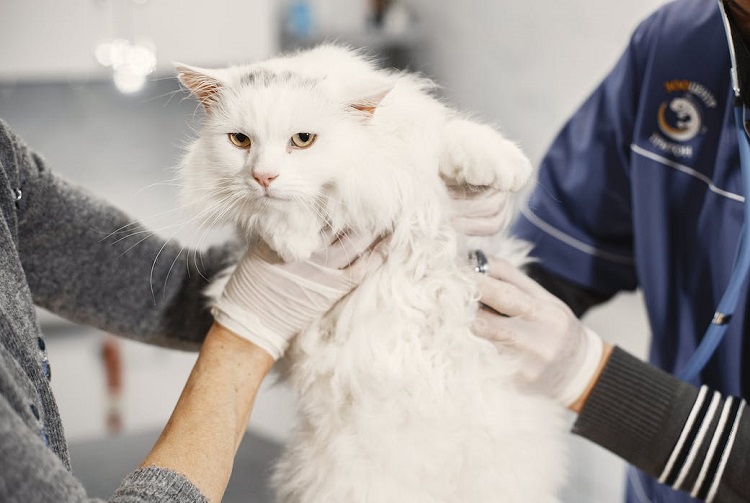
Veterinary care and a balanced diet are two of the most important ways to keep cats healthy and happy. Cats are obligate carnivores. Their diet consists of protein, fat, and carbohydrates.
The benefits of neutering a cat are numerous health-wise and will also help with the overpopulation of feral cats.
Communication Cues
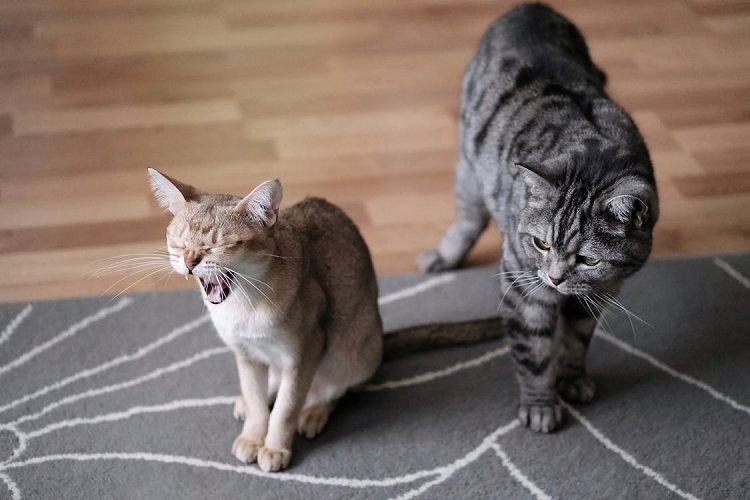
Cats use either or all three visual, vocal, and olfactory senses to communicate. They might narrow or widen their eyes or make sounds vocally to tell us they would prefer a mouse for dinner.
The olfactory sense comes in when they scent-mark to communicate with other cats, which means rubbing parts of their bodies on surfaces or other animals.
Quirky Cat Behaviors
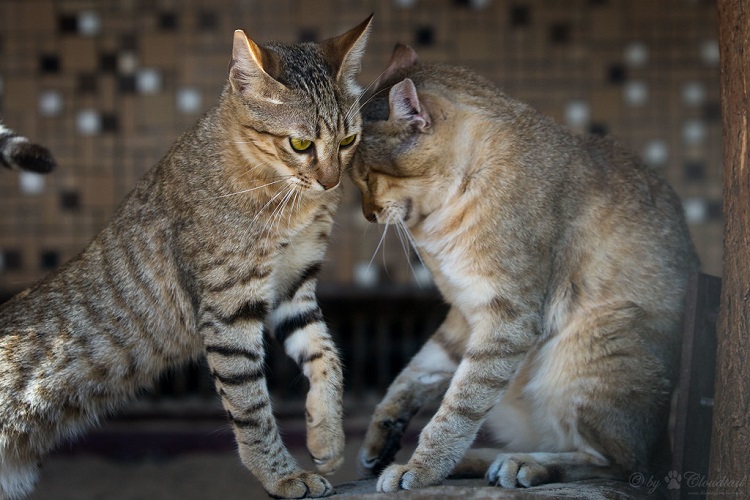
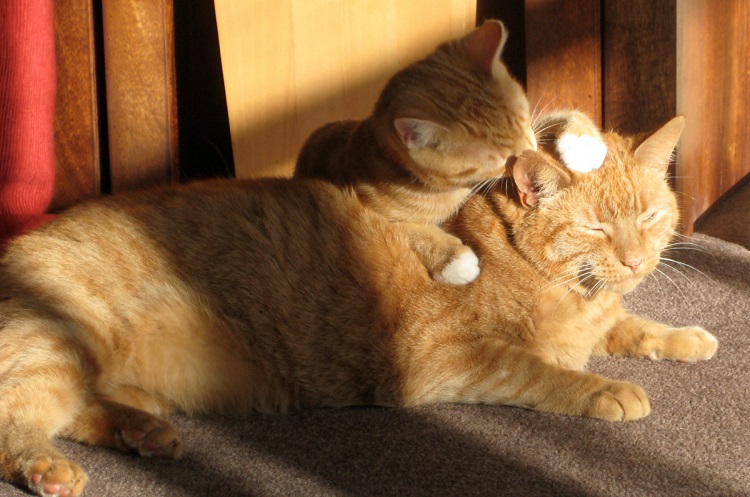
Headbutting – When Felix connects with your body head-first and then smoothly brushes against you, behaviorists call it “bunting.” They’re rubbing facial scent glands on you to display feelings of affection, connection, and/or happiness. When they bunt other cats, they’re making new bonds or recognizing established relationships.
Cats Making History
You may have never heard of Félicette, but if so, you know he was a bit of a space cadet. He was the first cat to survive a 15-minute space trip that happened in 1963. He has been memorialized with a bronze statue at the International Space University in Strasbourg, France.
In 1997, a mayor was elected in Alaska. You might say, “So what!” But this particular mayor was famous because he had paws. Stubbs the cat was elected after being a write-in candidate and winning.
Unfortunately, Stubbs died in 2017 at the ripe old age of 20. His proud owners shared the news via a news release. (Wish he were still around to run for Congress.)
Other Surprising Facts
Let’s talk tigers first since cats share 95.6 of their DNA with them. Tigers are solitary animals usually only joining others of their species when they mate and when mothers and their cubs spend time together.
Cats are much the same. It’s why cats won’t go running into another cat’s arms when they’re introduced. It’s also why they like to be alone much more than dogs do. Although feral cats will colonize, it has probably been an evolutionary process born out of necessity.
General Cat Statistics
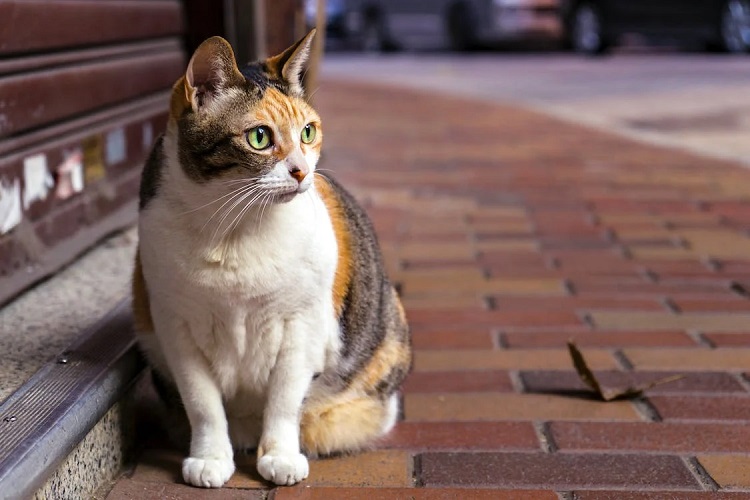
The Average Age of an Indoor Cat Is 15 Years.
Indoor domestic cats live longer than feral cats due to their steady diets/nutrition and having fewer predators to hunt them.
The Oldest Cat Lived for 38 Years and 3 Days. (Guinness World Record)
According to Guinness World Records, Creme Puff’s lifespan was from 1967 to 2005. Jake Perry, her Texan owner, must have been proud.
Around 73 Million Cats in the US Are Feral or Unowned. (National Today)
How does this affect Americans? Greatly. Disease, property damage, and noise nuisances are a few of the problems they cause.
There Are Also MAJOR Effects on the Environment and Wildlife:
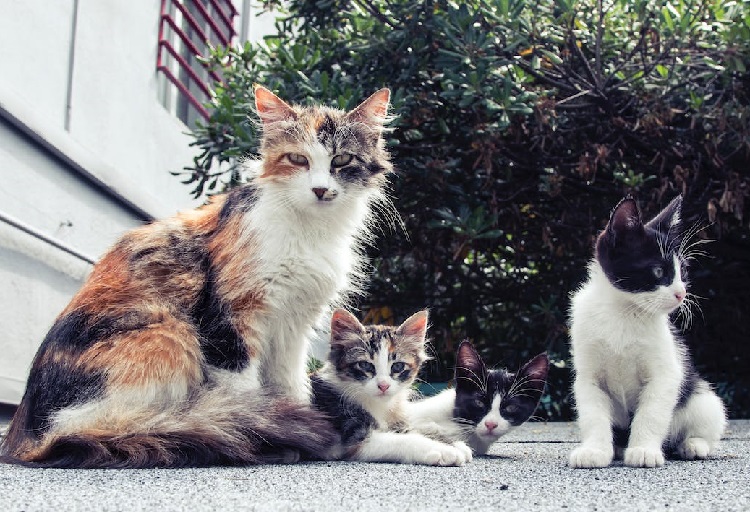
Studies have shown feral or free-ranging cats are major (if not the greatest) contributors to the deaths of native birds, mammals, reptiles, and amphibians. Not only by predation but also from nest disturbances, injuries, and harassment, all of which cause behavioral changes.
A cat’s litter can be as high as 12 kittens which is a major contributing factor to the feral cat community being astronomical.
Roughly 10% of Americans Feed Community Cats (Humane Society of the United States – HSUS)
This helps wildlife survive and makes it easier to begin the TNR (Trap-Neuter-Release) process. We must take action to reduce the feral cat population for ourselves, wildlife, and, of course, for the cats.
People Between 18–24 Years of Age Are More Likely To Be Cat Parents (American Pet Products Association – APPA)
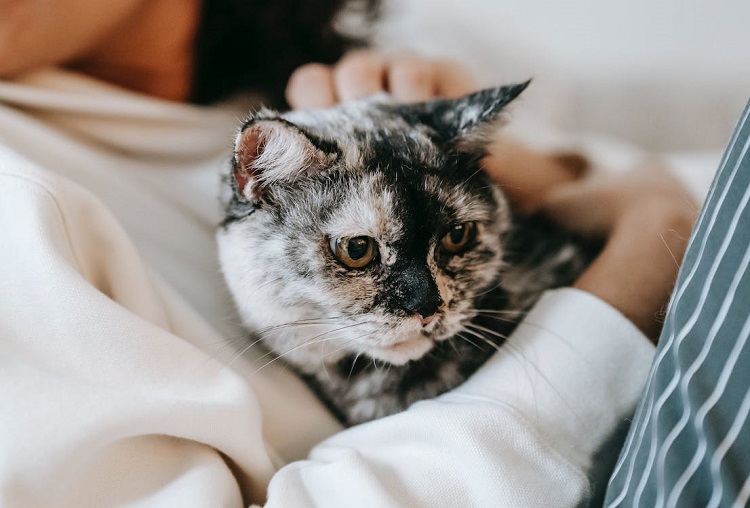
Felix, Garfield, and Grumpy Cat were all famous cats, but dogs reign supreme as far as pet ownership goes.
